
Salford Foundation’s Steps programme
Cluster randomised controlled trial. Gender-based violence prevention. Boys. Secondary schools. Misogyny. Implementation and process evaluation. Cost assessment. Salford Foundation. Youth Endowment Fund.
Cordis Bright has been funded by the Youth Endowment Fund (YEF) to conduct an efficacy study randomised controlled trial (RCT) of Salford Foundation’s Steps programme – a manualised, classroom-based intervention for boys aged 11-14 in secondary schools across Greater Manchester, designed to challenge harmful gender norms, reduce misogynistic attitudes and behaviours, and support the prevention of gender-based violence (GBV).
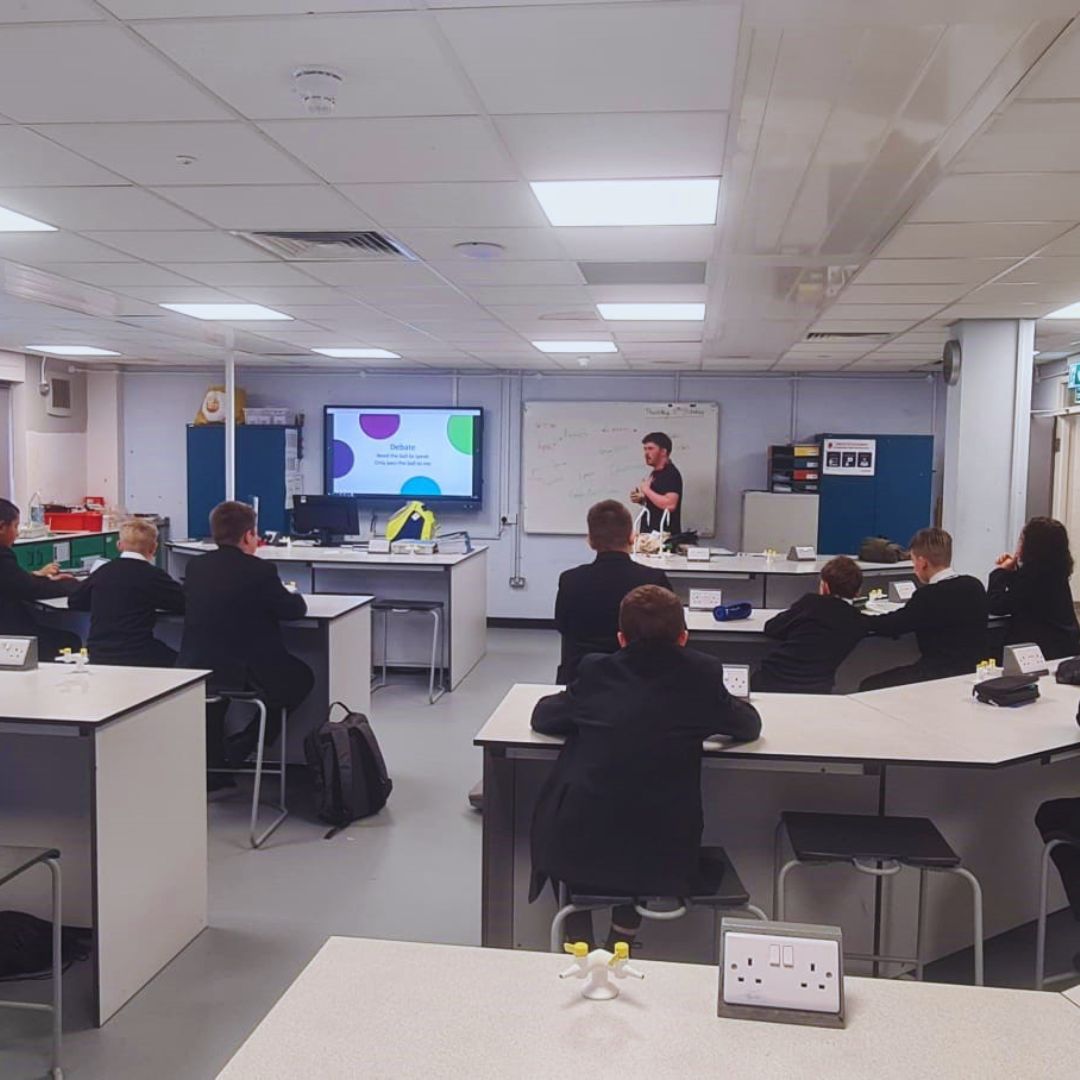
The Steps programme consists of six weekly interactive sessions of around 60 minutes, delivered to groups of around 20 boys by trained Salford Foundation facilitators. Sessions cover gender stereotypes, internalisation and misogyny; online misogyny and supporting those affected; social media and algorithms; online safety; healthy relationships; and consent and active bystandership. The programme is delivered as a universal intervention to all boys in Years 7–9 in participating schools, aligning with the statutory PSHE/RSE curriculum.
The evaluation is an efficacy cluster RCT with an integrated implementation and process evaluation and cost assessment. A total of 4,860 boys from 54 year groups across 18 secondary schools in Greater Manchester will be recruited and randomly allocated at the school year group level either to receive Steps or to continue with business as usual.
The study will assess whether Steps is effective in improving boys’ perceptions about harmful gender norms and traditional stereotypes, reducing endorsement of harmful online actions, increasing confidence and intent to act as active bystanders, and improving emotional and behavioural functioning. Alongside the impact evaluation, the implementation and process evaluation will explore how Steps is delivered in practice, how boys experience the programme, and the factors that support successful implementation.
Key features of the Steps programme include:
- A structured, manualised curriculum: six weekly interactive sessions covering gender stereotypes, misogyny, online harms, social media algorithms, healthy relationships, consent and active bystander skills, delivered to groups of around 20 boys by trained Salford Foundation facilitators.
- Universal approach: Steps is delivered to all boys in Years 7-9 without singling out individuals, framing GBV prevention as a positive part of school culture and capitalising on a critical developmental period when gender norms and peer dynamics are still being shaped.
- Peer-focused and strengths-based practice: the programme equips boys to question harmful stereotypes, act as active bystanders and positively influence their peers, drawing on evidence that peer-based approaches can shift group norms around misogyny and GBV.
- Alignment with statutory PSHE/RSE provision: Steps complements the Relationships and Sex Education curriculum, incorporating content on healthy relationships, online safety, consent and respect to support boys in navigating complex social situations.
- Co-designed and locally developed: Steps was developed by Salford Foundation in collaboration with education consultants, schools and young people in response to concerns raised in Greater Manchester about rising misogynistic attitudes and behaviours among boys, and is supported by the Greater Manchester Combined Authority Violence Reduction Unit.
The study began in January 2026, with programme delivery and fieldwork commencing in May 2026. Final reporting is expected in March 2029.
The evaluation protocol has now been published and the trial has been registered on the ISRCTN registry. You can also download the protocol below.
Salford Foundation's Steps programme - evaluation protocol - April 2026
For more information about the evaluation, please contact Dr Jade Farrell.
Image credit: Salford Foundation